Stay Ahead with Solar Insights!
Unlock the power of the sun with our OnSite Energy Newsletter! Stay informed with the latest solar trends, tips, and innovations that can help you save money and reduce your carbon footprint. Sign up today and be part of the energy revolution!
What Does a Decade of Solar Look Like for a Montana Nonprofit?
For organizations considering solar for the first time, one of the biggest questions is simple: Will this investment still make sense years from now?
Eagle Mount in Bozeman has a unique perspective on that question.
The nonprofit, which creates recreational opportunities for people with disabilities and young people with cancer, began investing in solar more than a decade ago. As the technology improved and its campus evolved, Eagle Mount continued building on that investment.
Today, the organization has completed its third generation of solar with OnSite Energy.
Solar That Supports the Mission
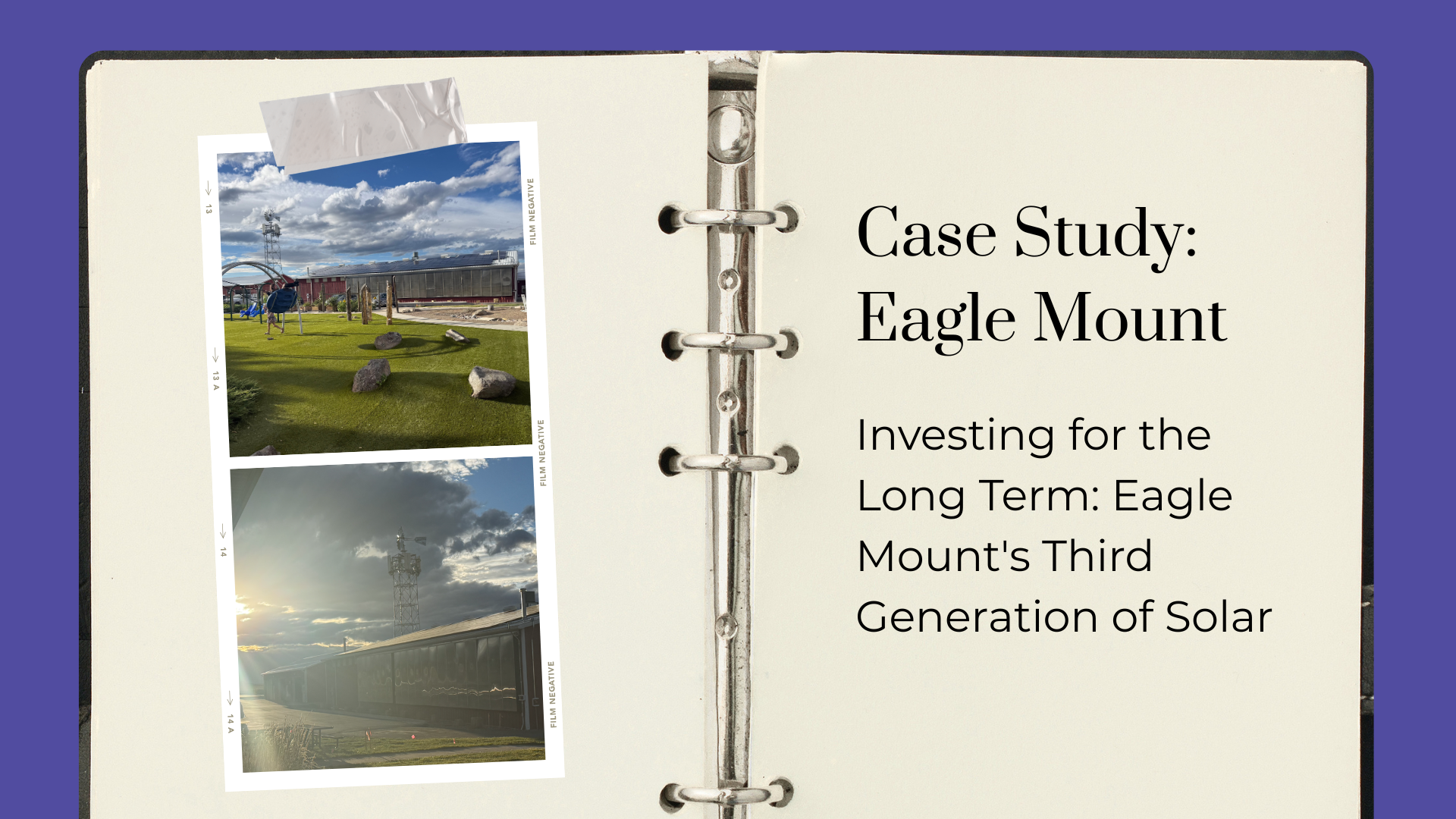
Eagle Mount operates an energy-intensive campus that includes its Main Office, Pool, Horsemanship Center, Program Barn, and Greenhouse.
For Operations Manager Trevor Olson, managing those energy costs ultimately connects back to the organization's mission.
“Anything we can do to offset those costs over the long term is a win in our book.”
And while Eagle Mount's newest solar expansion hasn't been operating long enough to provide a full year of savings data, that's somewhat beside the point.
The organization has never viewed solar as a quick payoff.
Instead, it's part of a larger strategy to stabilize electricity costs over time and keep more resources available for programs.
As Olson puts it:
“The more money we are able to direct toward our programs, the better.”
Three Installations Tell Their Own Story
There's plenty to learn from Eagle Mount's latest project—from navigating a complicated construction schedule and grant deadline to integrating another generation of solar into an existing system.
But perhaps the most interesting part of the story is also the simplest:
They keep coming back.
OnSite installed Eagle Mount's first two phases of solar, making the team a natural choice when the organization was ready to expand again.
Now, more than a decade after Eagle Mount's first investment in solar, they're already thinking about what could come next.
Read the full Eagle Mount case study to see how three generations of solar have become part of the organization's long-term energy strategy—and what other Montana nonprofits and organizations can learn from their experience.
.png)

.png)